
The value of a showroom is continually redefined as times and needs change.
The industry evolves, and users expect more from spaces and experiences.
How can design truly start with the user, bring realistic settings to life and make what you see what you get? These questions continue to guide our thinking.
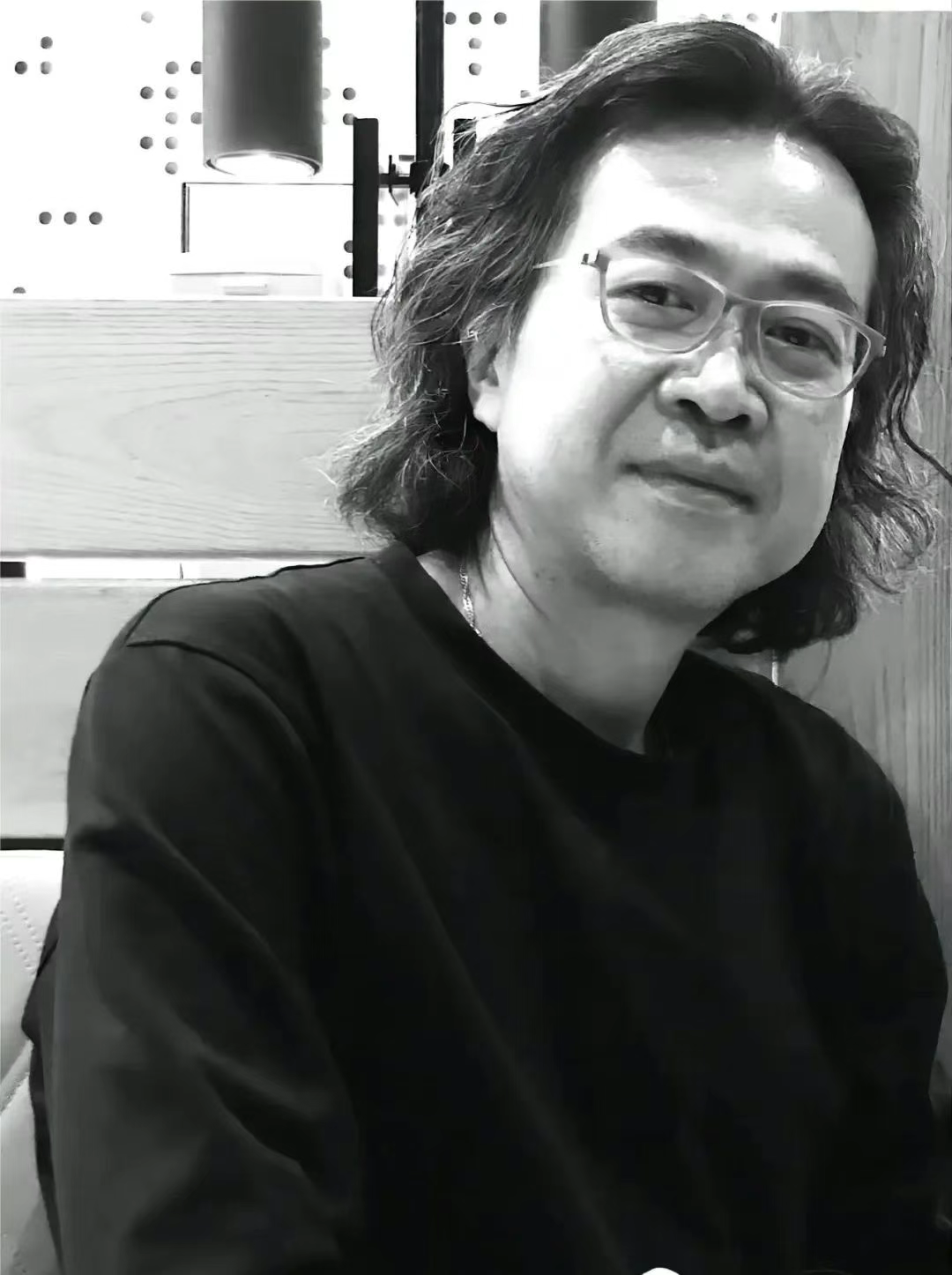
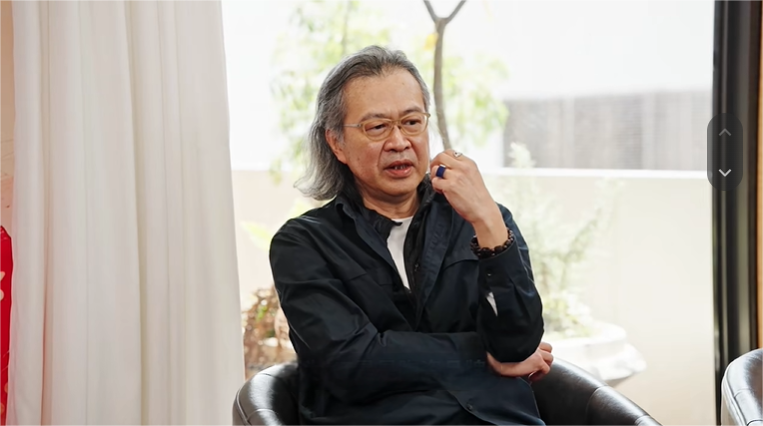
▲ Designer Zhu Baiyang
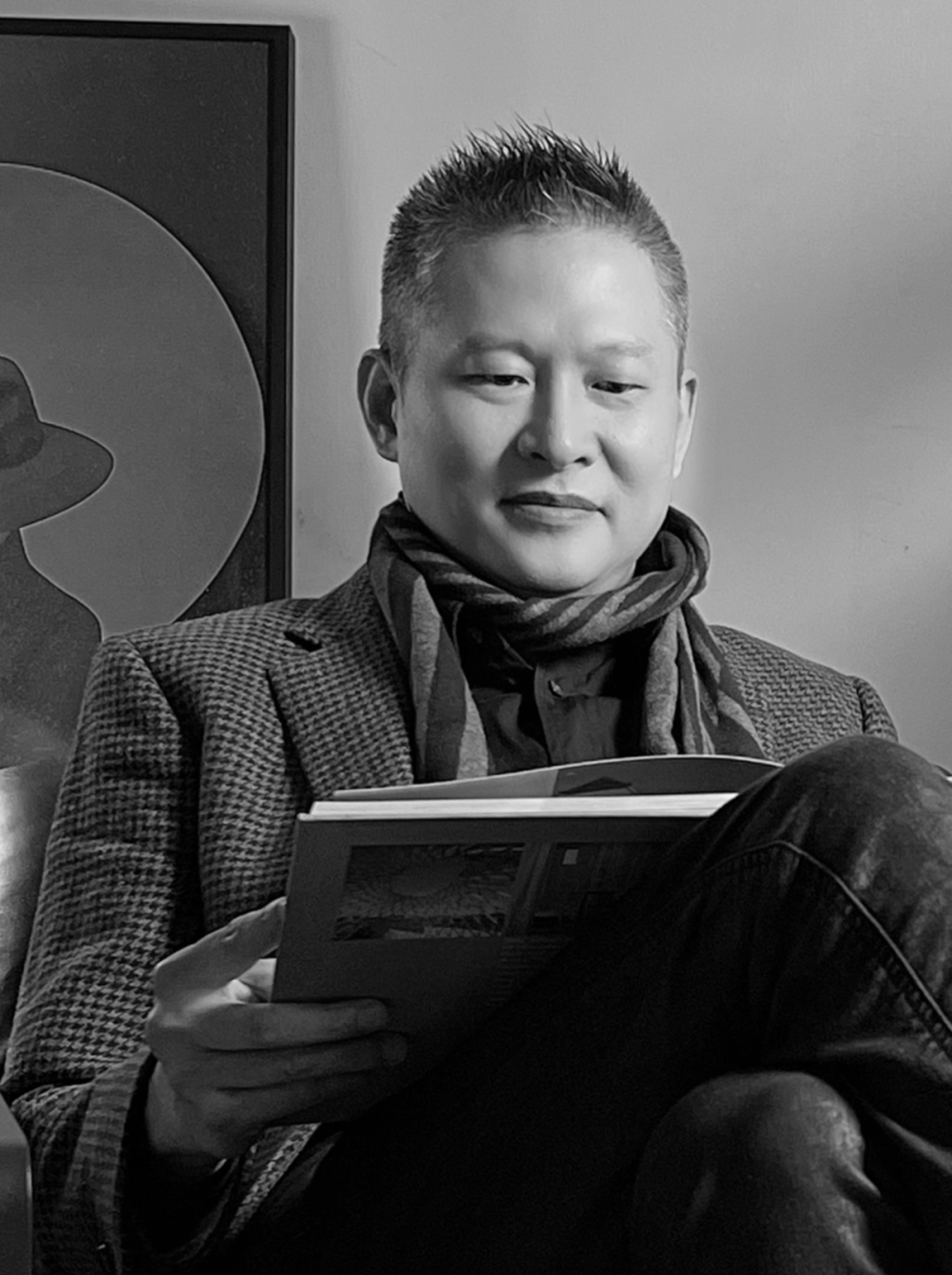
▲ Mr Yang Zhida

With more than three decades in the industry, Yang Zhida has witnessed the evolution of showrooms.
From simple displays to staged room settings, the industry has developed and users' expectations have changed.
Today, users want a showroom where what they see is what they get: beautiful settings with a quality they can genuinely experience.
Commercial spaces are moving beyond purely transactional messages towards emotional connection and meaning. A mature spatial concept should express contemporary aesthetics and respond to the substance of everyday life.
This addresses an industry tendency to prioritise products over experience.
A good space need not try too hard. People should enter and feel comfortable, confident and at home. That emotional appeal is among contemporary design's most valuable qualities.

Yang and Zhu share a principle: use modular thinking to create realistic settings. Large apartments, villas and homes of 120 or just over 80 square metres can all find an appropriate spatial template.
Once a customer likes a setting, it can be recreated at full scale, bringing the beauty they see directly into their home. That is what you see is what you get.
Authenticity often communicates more powerfully than deliberate staging.
Design needs simplicity and sincerity: less packaging, and more tangible quality that fits everyday life.
Many showrooms still assemble collections of show apartments. A good space should offer a reference for living, rather than a visual performance.
Users need more than an imagined possibility. They want the setting in front of them to become part of their own lives.
Make vague expectations clear, turn visualisations into daily life, and bring aesthetics within reach.

Zhu Baiyang believes that user-centred thinking ultimately returns to the product. Ceramics bring materials and aesthetics together. Users perceive quality, texture and design, but also need to understand how the material can be used.
This is the foundation of our commitment to what you see is what you get.
Accomplished design is often restrained and understated.
Materials reveal their character naturally through light and structure. Simple design principles show their inherent appeal. Moving beyond excessive marketing and letting materials and design speak builds a foundation for lasting brand development.
Spaces ultimately serve people. Revealing the qualities of materials lets people feel a space's balance and warmth.
A purchase becomes more than consumption: it becomes a free choice about an ideal way of living.
··· Closing Thoughts ···
People at the heart.
Authenticity as the measure.
Reality in view.
Let every expectation
find its answer.
·END·
KT Tiles 22 years dedicated to original product development. Each collection takes six months to a year to develop. We pursue exceptional texture in every collection, control tile quality at source and check the physical performance of every product. Bringing beautiful, high-quality tiles to homes everywhere. For beautiful wood-effect tiles, naturally choose KT!
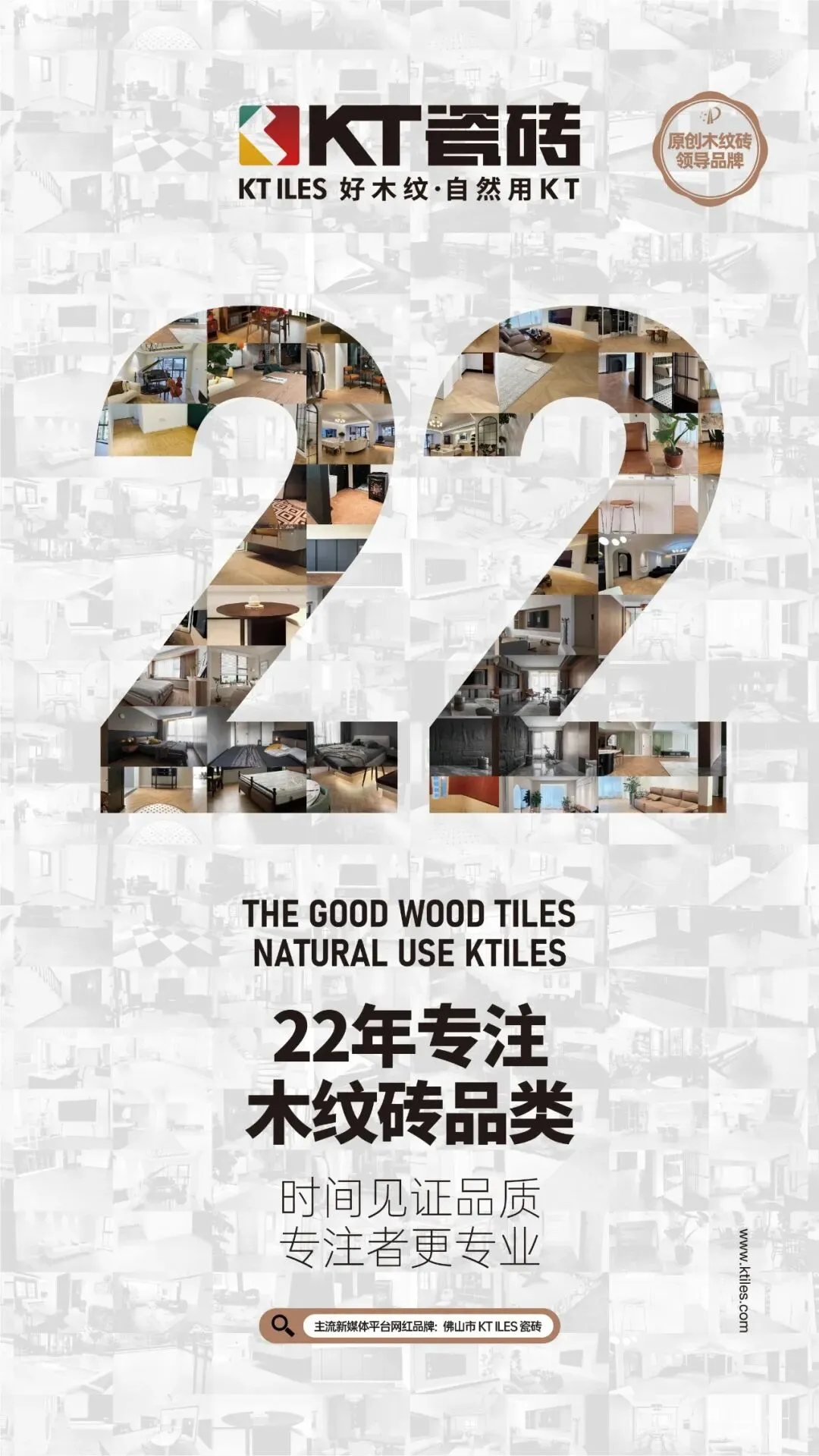
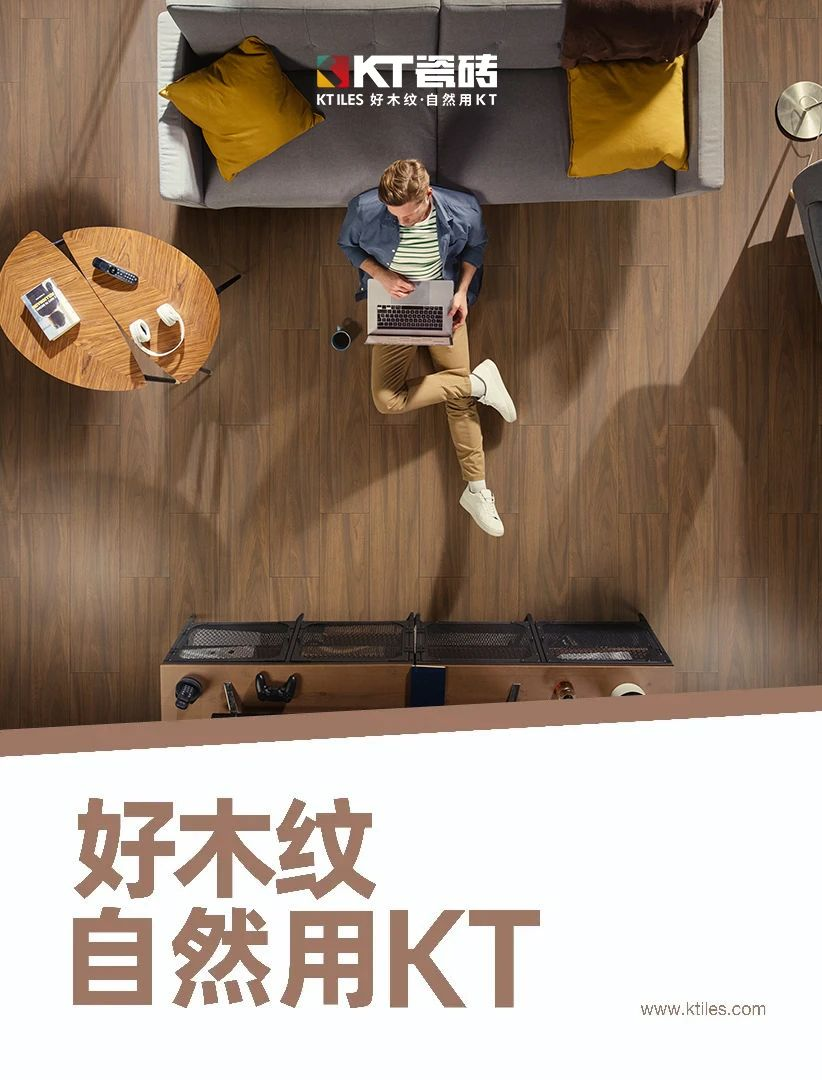

June combined strong results with new developments. KT reached the industry's top three best-selling ranking, expanded its product portfolio and worked with a leading livestream channel to reach more customers. These highlights accompanied ongoing retail support and channel development.
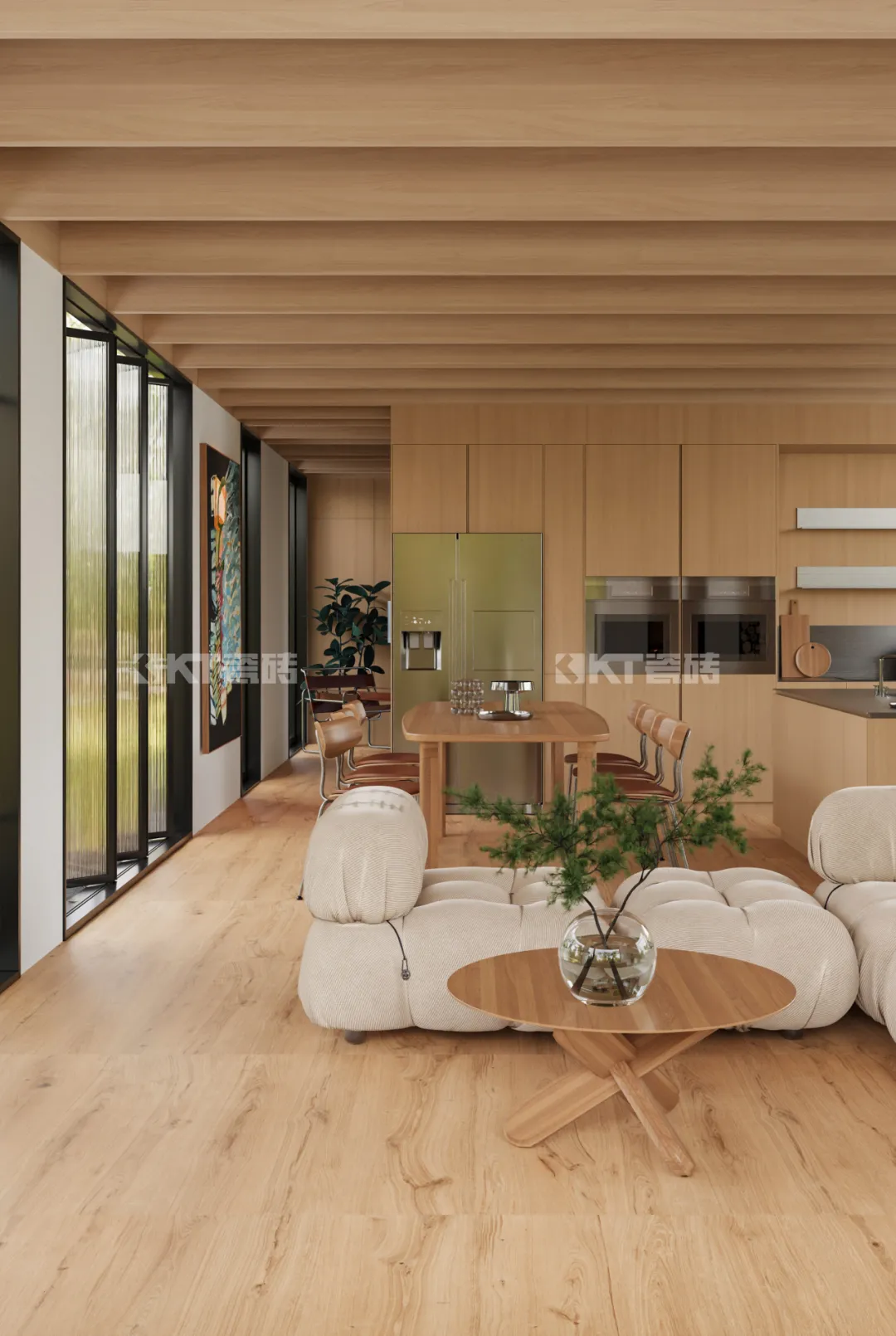
Qianmu interprets the original grain of Nordic white oak through close study and artistic design. Delicate growth rings, naturally formed knots and subtle fibres preserve the authentic character of timber shaped by time.

Dedicated craftsmanship in wood-effect tiles builds an industry benchmark.
No further brand stories yet.
